
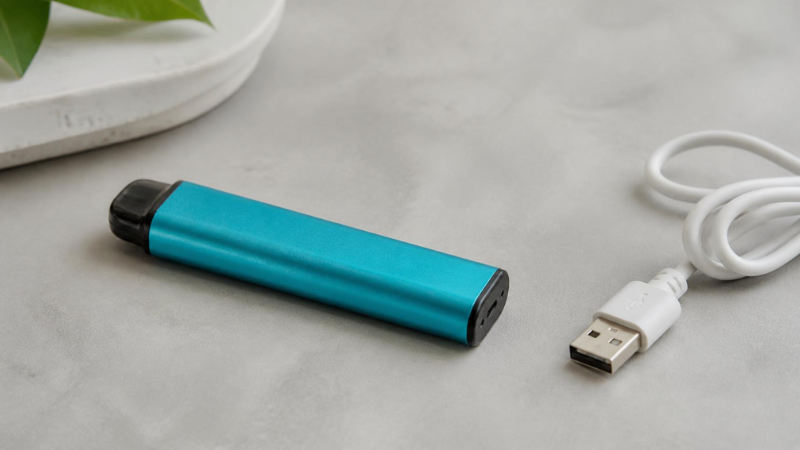
A disposable vape not working can be frustrating, especially when the device looks full or was working normally just moments earlier.
Fortunately, some problems have simple solutions, such as blocked airflow, a depleted battery, an obstructed mouthpiece, or an overheated device.
Before thinking the vape is defective, a few simple troubleshooting steps can identify what went wrong. The symptoms can also provide useful insight: a device that lights up but produces no vapor may have a different problem from one that shows no response at all.
This guide explains how to fix a disposable vape using practical, low-risk troubleshooting tips.
We’ll cover usual causes, including airflow and battery problems, blinking indicators, burnt tastes, manufacturing defects, and charging issues. We’ll also shed light on when a vape shouldn’t be repaired or used further and should be just replaced.
How to Fix a Disposable Vape That Isn’t Working.
When a disposable vape isn’t working, begin with easy checks before thinking that the device has perished. Different symptoms can point to different causes, so work through these steps in order.
Check Whether the Device Is Completely Used Up
Look through the device’s e-liquid window, if it has one, and check whether the reservoir looks empty. A disposable vape may stop making vapor when its liquid is depleted, even if the battery still activates.
Check the Battery
If the device has got an indicator but makes little or no vapor, the battery may run out. For rechargeable disposables, check the charging instructions and use the specified charging method.
Check the Airflow
Restricted airflow can prevent an auto-draw disposable from turning on properly. So ensure the device’s airflow openings aren’t blocked by stickers, fingers, packaging, or debris.
Check the Mouthpiece for Blockages
Inspect the mouthpiece for visible debris, condensation, or other obstructions. A blocked airway can make the disposable vape not hit optimally when the liquid and battery remain intact.
Let an Overheated Vape Cool Down
Prolonged or repeated use can cause some devices to become warm and perform poorly temporarily. Set the vape aside and let it return to normal room temperature before trying again.
Check Whether the Device Is Activating
Take a gentle, normal draw and observe the indicator light, if it’s there. No light or response can suggest a sensor, battery, or internal problem rather than an airflow issue.
Check for Visible Damage or Leaking
Inspect the device for leakage, cracks, loose components, swelling, or other physical damage. Don’t use or attempt to repair a damaged device. A compromised disposable should be safely replaced rather than modified or opened.
How to Fix a Brand-New Disposable Vape That Isn’t Working
A brand-new disposable vape not working can be very frustrating as the device should be ready to use. However, before assuming it is defective, make sure to check whether something from the activation process or packaging is stopping it from working normally.
Remove Any Packaging or Airflow Seals
New disposables may have plugs, protective stickers, or seals covering the airflow openings or mouthpiece. Remove only the packaging materials recognized by the maker and make sure nothing is obstructing the airflow path.
Check Whether the Device Is Activated by Inhaling
A lot of disposable vapes employ an auto-draw sensor instead of a physical firing button. Take a small, steady puff through the mouthpiece and watch for an indicator light if the device is equipped with one.
Don’t make a forceful inhalation, which can often worsen airflow or condensation issues.
Look for Signs of a Defective Device
If the device has been unpacked properly and still shows no response, makes no vapor, or behaves strangely, it may have an internal hardware or manufacturing defect. Don’t modify or open it.
If possible, get in touch with the manufacturer or retailer for a replacement according to its return policy or warranty.
Most Common Causes of a Disposable Vape Not Working
A disposable vape stopped working for many possible reasons, ranging from a worn out battery or empty reservoir to airflow restrictions and internal hardware problems. Identifying the issue can help narrow down the potential causes.
Dead or Depleted Battery
A depleted battery may stop the heating element from activating, particularly when the indicator light doesn’t respond. Rechargeable models can sometimes be charged according to the manufacturer’s instructions; non-rechargeable models typically need replacement.
Empty or Nearly Empty E-Liquid
A disposable can stop making vapor once its e-liquid is depleted. Some devices have visible reservoirs, while others don’t, making reduced vapor production or a change in flavor useful clues.
Blocked Airflow
Blocked intake openings can stop the airflow required to activated an auto-draw device and induce vapor. Check that the airflow openings are not obstructed or covered.
Clogged Mouthpiece
Debris or condensation can restrict the mouthpiece and make a disposable vape not hit optimally. So check for obstruction without inserting pointy objects into the device.
Overheating
Repeated draws can make the device excessively warm. If performance changes after intense use, discontinue using it and let it cool naturally before checking it again.
Faulty Heating Element or Coil
A failed coil or heating element may stop the e-liquid from being vaporized even when the battery looks functional. This is an internal component and usually isn’t something users should try to repair.
Malfunctioning Auto-Draw Sensor
Auto-draw devices depend on a sensor to detect inhalation. If that sensor stops working, the device may have liquid and power but fail to activate when you inhale.
Damaged or Leaking Device
Leakage, cracks, loose components, swelling, or other physical damage can signal that the device should not be used. Don’t try to open or change a compromised disposable.
Manufacturing Defect
Sometimes a disposable vape isn’t working just because of a hardware or manufacturing defect. If basic checks don’t take care of the problem, especially with a brand new device, contact the manufacturer or retailer instead of attempting a self-repair.
What If the Disposable Vape Is Not Hitting but Still Has Juice?
If your disposable vape is not working but still has some juice left, the issue isn’t necessarily the e-liquid. A vape needs many components to work together, so a functioning reservoir doesn’t ensure that the device can make vapor.
The Battery May Be Depleted
The battery may have lost considerable charge to power the heating element, even though a lot of e-liquid still remains. If the disposable is rechargeable, follow the brand’s charging directions. A non-rechargeable device with a worn-out battery typically requires replacement.
The Airflow May Be Blocked
Restricted airflow can stop an auto-draw disposable from turning on or might reduce vapor production. So check the device’s intake openings and mouthpiece for clear obstructions, condensation, or packaging material. Never use sharp objects to remove them.
The Coil or Heating Element May Have Failed
If the device turns on but makes little to no vapor, the heating element may have stopped working. Because these components are sealed inside most disposables, trying to repair or access them can create needless safety hazards.
The Device May Have a Faulty Sensor
A lot of disposables activate through an auto-draw sensor that detects inhalation. If the sensor fails, the device may contain both e-liquid and battery power but still refuse to activate. In that scenario, replacement is generally the practical solution.
What If a Disposable Vape Is Rechargeable but Isn’t Working?
A rechargeable disposable vape can stop working even when its e-liquid reservoir isn’t empty. Charging-related problems, a failed battery, a damaged port, or an internal issue can all stop the device from working normally.
Check the Charging Port
Check the charging port for visible damage, debris, or signs that the connector is loose. Keep the port unobstructed, but don’t put conductive or sharp objects into it to clean or manipulate the connection.
Use the Recommended Charging Method
Only use the charging cable and method specified by the manufacturer. Connect the device to an appropriate power source and let it charge for the specified time period. Don’t use improvised adapters, chargers, or attempts to bypass the device’s charging system.
Check the Indicator Light
A lot of rechargeable disposables employ an indicator light to show battery activity or charging status. If the light doesn’t work as described in the brand’s guidelines, the device may have a charging or internal hardware fault rather than simply needing more time.
Stop Charging if the Device Becomes Unusually Hot or Damaged
A rechargeable vape should not get abnormally swollen, hot, cracked, or damaged during charging. If you notice any of these signs, disconnect it if this can be done safely, don’t use it, and don’t try to open or repair the device.
What If a Disposable Vape Tastes Burnt?
A burnt disposable vape normally indicates that the heating element is getting hotter than the available e-liquid can sufficiently supply. It can also happen when the device is almost empty, or the wick has become overheated.
Why a Disposable Vape Can Taste Burnt
A burnt taste can form when the wick or heating material isn’t adequately saturated with e-liquid. Taking repeated draws without enough time between them, using a nearly empty device, or continuing to vape after the liquid is empty can lead to this problem.
Can a Burnt Disposable Vape Be Fixed?
Occasionally, a mild burnet taste may enhance after letting the device rest for sometime, especially if the issue arose from repeated draws. However, a persistently burnt taste usually isn’t something you should try to correct.
Don’t open the device or try to replace its wick or coil. If the taste stays, especially with reduced vapor or damage signs, replacing the disposable is a better option.
What If a Disposable Vape Is Blinking?
If a disposable vape is blinking, the light is often signalling a device status or protection response.
Because blink patterns differ between models and manufacturers, the indicator should be interpreted using the product’s directions instead of assuming that every pattern means the same thing.
A Blinking Light May Indicate a Low Battery
On rechargeable disposables, a blinking indicator can communicate that the battery is low. If the manufacturer recommends recharging the device, connect it using the specified charging method and check whether the indicator changes during charging.
It May Indicate a Protection Feature
Some devices employ blinking lights when a built-in protection feature activates. This can happen because of issues like an unusually long draw, blocked airflow, or a condition that causes the device to stop firing temporarily.
It May Signal a Device Error
Unusual or repeated blinking, mainly when the device isn’t making vapor, can signal a heating, sensor, battery, or other internal problem.
Check the maker’s troubleshooting information for the specific blink pattern. If the problem still remains, don’t take the device apart; replacement is a better option.
Things You Should Not Do When a Disposable Vape Stops Working
When a disposable vape stops working, troubleshooting should be limited to simple, maker-approved checks.
Unlike some reusable devices, disposables are typically sealed units, so trying to repair their internal battery or electronics can introduce needless safety hazards.
Don’t Disassemble the Device
Don’t pry apart, open, or disassemble a disposable vape to access its battery, coil, wiring, or internal components. Breaking the sealed housing can destroy the battery and expose components that are not designed for user repair.
Don’t Puncture or Damage the Battery
Don’t crush, puncture, bend, or deliberately damage the internal lithium battery. Physical damage can cause overheating, electrical faults, or potentially a fire.
Don’t Attempt to Replace the Internal Battery
Even if the battery seems to be the reason your disposable vape isn’t working, don’t try to replace or remove it yourself. Disposable devices aren’t usually crafted for user-accessible battery replacement.
Don’t Use a Damaged or Swollen Device
A vape showing cracking, swelling, leakage, or other physical damage shouldn’t be used. These signs can signal a battery or internal hardware problem that shouldn’t be considered a normal troubleshooting issue.
Don’t Insert Sharp Objects Into the Device
Never use needles, pins, paper clips, or other objects to remove blockages or manipulate internal parts. Doing so can damage the heating element, airflow system, battery, or wiring.
Don’t Continue Using a Device That Becomes Abnormally Hot
Some heat during operation can occur, but a device that gets unusually hot should be turned off and allowed to cool away from flammable materials. If abnormal heating still occurs, don’t charge or use it again; replace it properly.
How Long Does a Disposable Vape Usually Last?
How long a disposable vape lasts depends primarily on its e-liquid capacity, device design, battery capacity, and frequency of use. A larger-capacity device may last longer than a smaller one, while extended or frequent draws can deplete the liquid and battery faster.
Manufacturers sometimes offer estimated puff counts, but these are only approximations as actual usage differs between users.
A device may also stop working because its battery is depleted even when some liquid is remaining, or run out of liquid while the battery still has power.
Instead of relying only on a stated puff count, pay attention to changes such as weaker performance, reduced vapor production, or an empty reservoir.
Once a disposable develops a persistent fault or is depleted, replacing it is typically more sensible than trying to repair it yourself.
Frequently Asked Questions
Why is my disposable vape not working but still has juice?
A disposable vape can stop working even when juice is left because of a depleted battery, a failed heating element, blocked airflow, or an auto-draw sensor issue. Don’t open the device; just replace it if troubleshooting doesn’t work.
Why is my brand-new disposable vape not hitting?
A new disposable may not hit if stickers, protective plugs, or seals are stopping the airflow or mouthpiece. If it’s properly unboxed but still doesn’t turn on, it may have a manufacturing problem.
Why did my disposable vape suddenly stop working?
A disposable vape can stop working suddenly because its battery has depleted, the e-liquid has run out, airflow has become restricted, or an internal component has failed. The symptoms can identify the likely reason.
Why is my disposable vape blinking but not hitting?
A blinking disposable vape may indicate an activated protection feature, low battery power, or an internal issue. Because blink patterns differ by device, read the manufacturer’s directions instead of assuming one specific cause.
Why is my disposable vape not producing vapor?
A disposable vape may not produce vapor because its battery is depleted, e-liquid is exhausted, airflow is blocked, or the heating element has failed. If basic checks don’t solve the issue, replacement may be mandatory.
Can you fix a disposable vape that tastes burnt?
A mild burnt taste may occasionally improve after allowing the device to rest, especially if the heating material temporarily becomes too dry. If the burnt flavor persists, the disposable should usually be replaced instead of being repaired.
Can a dead disposable vape be recharged?
A dead disposable vape can only be recharged if it was specially designed with a built-in charging port. Never try to add a charger, tinker with the battery, or recharge a non-rechargeable disposable.
Why is my rechargeable disposable vape not working?
A rechargeable disposable may stop working because of a depleted battery, blocked airflow, damaged charging port, an internal hardware fault, or an empty reservoir. Follow the maker’s charging guidelines and discontinue using it if unusually hot or damaged.
When should I replace a disposable vape?
Replace a disposable vape when its e-liquid is depleted, vapor production stays poor, a burnt taste persists, or the device develops abnormal heating or damage. Don’t depend only on advertised puff counts because actual lifespan differs.
Final Takeaway
When a disposable vape isn’t working, the problem isn’t always a serious hardware problem. An empty e-liquid reservoir, depleted battery, clogged mouthpiece, blocked airflow, activation sensor issue, or overheating can all affect performance.
Begin with low-risk, simple checks before deciding that the device has failed. For rechargeable disposables, only use the manufacturer’s recommended charging method and pay attention to strange indicator patterns.
If the device is leaking, damaged, swollen, or becomes unusually hot, don’t use it rather than trying to repair the internal components.
The key to effective disposable vape troubleshooting is knowing what you can safely check and when to stop. Disposables aren’t usually designed for internal repairs, so problems involving the coil, battery, sensor, or sealed electronics may require replacement.
Ultimately, how to fix a disposable vape isn’t about forcing a malfunctioning device back into operation. It’s about identifying simple problems safely, avoiding dangerous modifications, and recognizing when replacing the device is a better choice.