
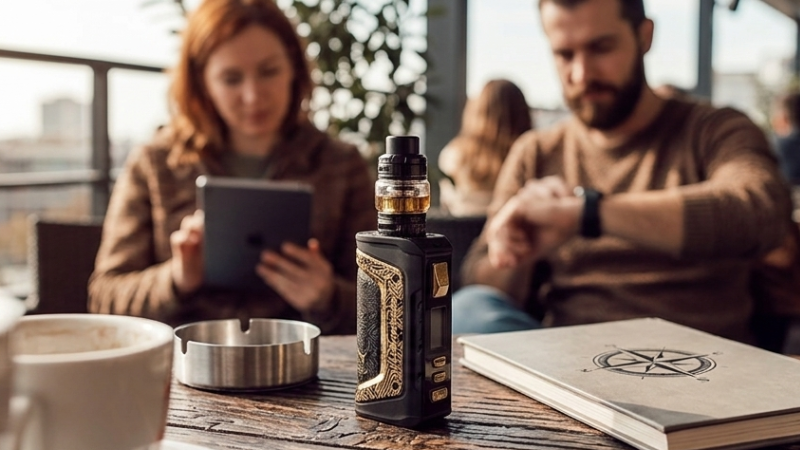
For many individuals considering vaping, safety proves to be one of their biggest concerns. Doubts regarding battery performance, charging risks, and device reliability often arise, especially after reading online stories about vape-related incidents.
What they don’t understand is that vape devices nowadays are much more advanced than the ones that entered the market years ago.
But thankfully still, the manufacturers are sincere in boosting the safety of their devices and therefore making modern e-cigarettes far less to the problems that their early ancestors came across.
From overcharge protection and automatic shut-off systems to sophisticated chipsets that monitor battery conditions in real time, vapes are now equipped with several layers of high-end protection.
Here, we will explain these features in detail, how they work, and why they play an indispensable role in making modern vape devices safer to use.
Why Vape Safety Features Matter
Today, vape battery safety features are much more than just protecting the device, they help protect the user too. Modern vape devices rely on batteries, electronic components, and heating elements that work together safely and efficiently.
Without these, issues such as overheating, overcharging, or electrical faults could increase the risk of device malfunction.
But don’t worry as the majority of vape devices aimed at the mass market will incorporate most of the safety features listed here.
Common Vape Safety Features Explained
Modern vape devices boast multiple layers of built-in vape safety features that work together to reduce risks and improve reliability. While users may not notice this during vaping, these features work behind the scenes and thus prevent common battery and hardware issues.
Overheat Protection
Heat is one of the main causes for battery failure, and any electronic device that uses a battery can become unsafe if the built-up heat is left unchecked.
But luckily, overheat protection is a system built into the chip of almost all good-quality e-cigarettes that constantly monitors the device during use.
This helps prevent damage to the chipset, battery, and coil while minimizing the risk of overheating-related failures.
Short-circuit Protection
The electricity in your vape is meant to flow in a controlled path, either from the USB port to the battery or from the battery to the heating element. If something along these paths goes wrong, power can flow the wrong way, causing a surge and thereby overheating the battery.
Short circuit protection vape systems are designed to detect electrical faults before they get out of hand.
Overcharge and Over-discharge Protection
An overcharged battery is one of the main culprits behind those scary online stories of vapes exploding in the middle of the night. This is because forcing extra charge into an already full battery creates stress on the materials and builds up heat.
If done repeatedly, this stress can cause a battery to fail dangerously. Overcharge protection vape systems stop charging once a battery reaches full capacity, whereas over-discharge protection prevents the battery from draining to harmful levels.
Auto Cut-off
Firing a vape generates heat from the battery, the coil, and other internal parts. If a device is fired for too long, either by mistake or deliberately to take huge puffs, the built-up heat may damage components.
An automatic shut-off vape limits how long a device can fire continuously. If the button is pressed for too long, the device cuts power automatically to prevent excessive heat buildup and strain on the battery.
High-Drain Lithium-ion Batteries
A lot of vape exploding incidents involve inappropriate batteries. These batteries were not engineered to handle the high-drain requirements of a vape and thus cause severe stress on the materials.
Modern vape devices use high-drain lithium-ion batteries specially designed to manage the power demands of vaping. These batteries are designed for frequent charging cycles and continuous power delivery.
Battery Venting
Although catastrophic battery failures are quite rare now, every battery has the potential for failure, and when that happens, it happens with an explosion.
Thankfully, the battery venting system serves as an extra safety measure in the event of battery failure by allowing pressure and gases to escape in a controlled manner.
Low Voltage Protection
Low voltage protection monitors battery levels and stops operation when the voltage drops below a safe threshold. This helps safeguard battery health and ensures more stable performance of the device.
Smart Chipset Protections
High-end chipsets work like the device’s control center, taking care of multiple vape safety protections side by side. They can detect battery abnormalities, resistance issues, charging problems, and other potential faults, letting modern vape devices operate more safely and efficiently.
Tips to Help You Buy and Use a Vape Safely
Even the safest vape device can pose issues if not used correctly. While built-in features provide valuable protection, the following vaping safety tips can significantly reduce the risk of device damage, battery issues, and poor performance.
Check for Safety Markings
When considering a vape, confirm for recognized safety certifications such as CE, RoHS, or UL, as they indicate the product has undergone testing for all the essential standards. Reputable brands generally display these markings on the packaging, user manual, or device itself.
While these certifications do not ensure perfection, they certainly provide a lot of confidence that the product aligns with established safety requirements.
Use Appropriate Devices
Choosing a device according to your experience level is better both for your safety and ease of use. For example, beginners are better served by regulated pod systems or starter kits, which include several built-in safety layers.
Whereas advanced devices require a deeper understanding of power settings, batteries, and maintenance.
Buy Reputable Brands from Reputable Retailers
Reputable vape brands invest generously in quality, battery systems, and safety. So purchasing from them reduces the risk of counterfeit, unauthorized, and unsafe devices.
For example, buying something like OXVA XLIM Pro 2 will always be a safer option than buying a non-branded device from a shady source on the internet.
Look for Black Market Red Flags
Counterfeit and/or black-market products generally lack quality assurance. Beware of extremely low prices, low-quality packaging, no verification panels, and dubious claims, as these are all things associated with counterfeit or black market devices.
Don’t Test the Extremes
Using a vape within its recommendations is one of the easiest ways to stay safe. Avoid modifying, forcing unsupported settings, or pairing it with incompatible accessories to maintain both performance and reliability.
Also, other simple things, such as replacing the coil before it burns out, using an appropriate charging cable, and keeping it away from direct heat, will all result in a safer vaping experience.
React to Warning Signs
Modern vape devices usually alert the user when something is wrong. If there are hot spots or melting on the case, unpleasant taste, unexpected power cut, and fast battery drain, attend to them ASAP so as to prevent more serious problems from developing.
Keep Devices Away From Extreme Heat
High temperature can place a lot of stress on batteries and other internal components. So always keep your vape devices away from direct sunlight, hot vehicles, or other warm environments for long periods. Doing so will help in supporting battery health and long-term use.
Regulated vs Unregulated Vape Devices
Understanding the difference between regulated and unregulated vape devices is crucial when evaluating vape device safety.
While both types are capable of producing vapor, they operate very differently and offer different levels of protection for the user.
What is a Regulated Vape Device?
A regulated vape device uses an electronic chipset to control and monitor how the device works. Instead of sending raw battery power to the coil directly, the chipset takes care of wattage, voltage, temperature, and other settings to ensure consistent performance.
One of the biggest advantages of regulated devices is built-in safety features. The latest regulated vapes include features such as short-circuit protection, overheat protection, overcharge protection, low-voltage protection, and automatic shut-off systems.
These vape device protections monitor the device continuously and can stop it if an unsafe condition is detected. Regulated devices are typically also easier to use, as many include screens that display power settings, battery levels, coil resistance, and warning messages.
For newbies and daily users, regulated devices are generally considered safer and more practical.
What is an Unregulated Vape Device?
An unregulated vape device works without an electronic control system or chipset. The power flows directly from the battery to the atomizer, meaning the device’s output depends mainly on battery charge and coil resistance.
As there are no built-in protections managing power delivery, unregulated devices require a greater understanding of electrical resistance, battery safety, and proper device maintenance.
Users are responsible for ensuring that batteries, coils, and other components are appropriate and operating safely.
While some seasoned users prefer unregulated devices for their ease of use and direct output, they are not able to enjoy the safety protections found in regulated devices.
As a result, unregulated devices are recommended only for advanced users who understand the potential risks and safe operating practices.
How Modern Vape Technology Improves Safety
Vape technology has evolved significantly in recent years. Early devices offered limited protection and basic functionality, whereas modern ones incorporate sophisticated systems to improve both performance and safety. Here are some of those systems:
Smart chip advancements
Modern vape devices are equipped with smart chipsets that act as the control center of the device.
These chips monitor factors such as temperature, battery status, resistance levels, and power output continuously so that they can stop the device from operating if an abnormal condition is detected.
Better battery management systems
Battery management systems have improved drastically over the years. These systems prevent excessive charging, deep discharging, and unstable power delivery to help regulate charging and discharging cycles in the safest and most efficient manner possible.
USB-C charging protections
Many latest vapes today use USB-C charging technology, which provides faster and more efficient charging compared to older models. This feature also helps prevent issues such as overcharging, overheating, and excessive current flow during charging.
Improved coil resistance detection
Advanced devices can detect coil resistance before firing accurately. If the resistance happens to fall outside the device’s safe operating range, the chipset displays a warning or prevents activation in the first place.
This helps safeguard both the device and battery while minimizing chances of electrical faults caused by incompatible or damaged coils.
Frequently Asked Questions
Are regulated vape devices safer?
Generally, regulated vape devices are safer because they come with built-in protections like vape overheating protection, short-circuit detection, low-voltage safeguards, and automatic shut-off features. These features help minimize the risk of battery and electrical problems during everyday use.
Can overcharging damage a vape battery?
Yes, overcharging can significantly damage a vape battery. This is because lithium-ion cells degrade quickly when left plugged in past full charge, which shortens battery lifespan, reduces performance between charges, and increases safety risks like swelling, overheating, or fire.
What happens if a vape overheats?
When a vape overheats, the lithium-ion battery and e-liquid are at great risk. Consequences may include a burnt, harsh flavor and thinned, leaking juice to battery failure, swelling, fire, or explosion caused by excessive heat or prolonged high-wattage use.
Is USB-C charging safer for vape devices?
Yes, USB-C is usually safer and more efficient than older Micro-USB ports due to built-in power management, but safety ultimately depends on matching the power brick’s output to the vape device’s limits.
How often should vape batteries be replaced?
Vape batteries should be replaced every 8 to 12 months or after 300 to 500 charge cycles. However, you should replace them immediately if you notice poor performance, visible damage, or safety issues.
What are the warning signs of battery failure in a vape?
Warning signs of vape battery failure are rapid draining, extremely stalled or long charging, weak or inconsistent vapor production, and strange blinking LED error codes.
Serious warning signs that require immediate replacement include excessive heat, noticeable swelling, dents, or leaking.
Final Thoughts
The safety features the modern vapes are loaded with have really come a long way. These devices boast multiple layers of protection that help make your vaping session safer and more reliable than before.
Features such as overheat protection, short-circuit protection, battery management systems, and automatic shut-off functions combine to reduce the risk of various device and battery-related issues.
However, this is only a small part of the whole vaping picture. Choosing products from reputable manufacturers, following proper device practices, and not ignoring warning signs all play a crucial role in maintaining device safety.
While no electronic device is 100% risk free, today’s regulated vapes provide considerably more protection than earlier generations.
By understanding how these safety features work and using your device responsibly, you can enjoy a safer and more dependable vaping experience.