
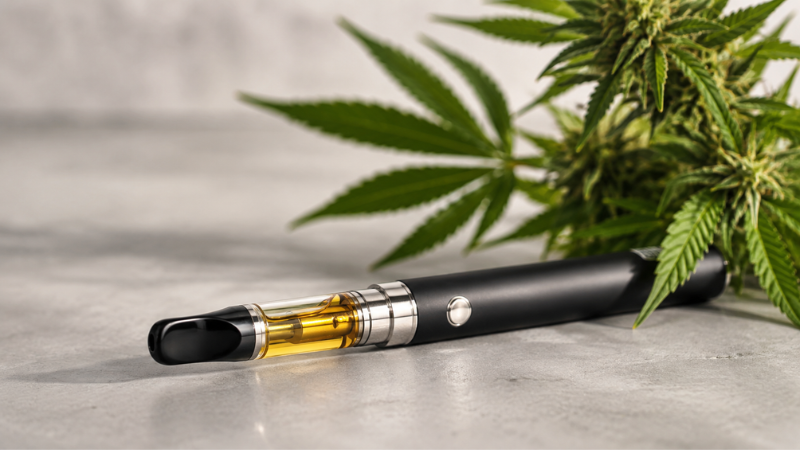
THC vape pens are handy cannabis devices that heat THC-containing concentrate or oil to make an inhalable aerosol instead of the smoke produced by combustion.
Their compact design, portability, and usually high THC concentrations have made them a popular way to consume cannabis.
However, portability doesn’t mean risk-free. THC vaping can induce intoxicating effects and impairment, while high-potency products, unregulated cartridges, and regular use may cause health and safety concerns.
The experience can also vary significantly depending on the product’s THC concentration and the individual consuming it.
In this guide, we’ll take you through how THC vape pens work, what effects they can induce, the potential risks of THC vape pens, and how vaping compares with smoking cannabis.
We’ll also explain responsible-use considerations, product quality, legality in the states, and what to do if you experience undesirable effects.
What Are THC Vape Pens?
THC vape pens are convenience cannabis devices engineered to heat THC-containing oil or concentrate and create an inhalable aerosol. Unlike conventional smoking, the process doesn’t involve burning cannabis flower.
Vape pens can come as disposable devices, prefilled cartridges teamed up with batteries, or rechargeable systems that use replaceable cartridges.
How THC Vape Pens Work
A normal THC vape pen use a battery to power a tiny heating element, usually called an atomizer or coil.
When activated, the heater warms the cannabis oil until it produces an aerosol that the user can inhale. Some devices activate automatically when the user takes a puff, while others need a button.
What Is Inside a THC Vape?
The primary components often include a heating element, a battery, reservoir or cartridge, mouthpiece, and THC-containing cannabis extract.
Formulations can vary significantly in composition and potency, so the contents of one THC vape may be quite different from another.
How THC Vape Pens Differ From Cannabis Flower
Cannabis flower contains dried plant material that is traditionally vaporized or smoked, while THC vape pens generally use concentrated cannabis extracts.
Because these extracts can contain noticeably higher THC concentrations than flower, a vape pen can offer a much more concentrated cannabis vape pens in a relatively small amount of liquid.
What Effects Can THC Vape Pens Have?
THC vape pens effects can differ substantially depending on THC concentration, the amount consumed, individual tolerance, and the specific cannabis product.
As vape oils can contain much higher THC concentrations than traditional cannabis flower, their effects may also feel more prominent.
Commonly Reported Effects
Commonly reported THC vape pen effects include relaxation, euphoria, altered perception, sedation, increased appetite, and a noticeable sense of being “high”.
Some people may also go through temporary shifts in how they perceive sounds, time, or their surroundings.
Short-Term Effects and Impairment
THC can affect attention, memory, judgement, coordination, and reaction time. Vaping may produce effects relatively quickly as the aerosol is inhaled directly into the lungs.
This means users should avoid operating machinery, driving, or making safety-sensitive decisions while impaired.
Unwanted Effects
Not every experience is amazing. THC vape use can cause drowsiness, dry mouth, high pulse rate, paranoia, anxiety, dizziness, or impaired thinking, especially when using high-potency products or consuming more THC than intended.
Individual responses can vary significantly, so a product that feels manageable to one user may feel overwhelming to another user.
What Are the Risks of THC Vape Pens?
Although THC vape pens can be handy and discreet, they are not entirely risk-free. Potential concerns range from the high potency of cannabis concentrates to respiratory exposure, cognitive effects, dependence, and the uncertainty surrounding products from unregulated sources. Understanding these THC vape pen risks can help consumers make better decisions.
High THC Concentrations
THC vape products can contain significantly higher concentrations of THC than conventional cannabis flower.
Higher-potency products may increase the chances of undesirable effects such as paranoia, anxiety, impairment, and dizziness, especially for people with limited cannabis experience.
Lung and Respiratory Risks
Vaping avoids the combustion produced by smoking, but inhaling heated cannabis aerosols is not harmless. The composition of the aerosol depends on the extract, hardware, additives, and temperature.
Contaminated or improperly formulated products can introduce some extra substances into the respiratory system.
Cannabis Use Disorder and Dependence
Regular cannabis use can lead to cannabis use disorder in some users. High-THC products may be particularly concerning because repeated exposure to potent cannabis can contribute to increased consumption, tolerance, and difficulty stopping or reducing use.
Mental and Cognitive Effects
THC can temporarily harm memory, attention, coordination, reaction time, and judgement. Some users may also experience paranoia, anxiety, or other nasty psychological effects.
These effects can be more prominent with higher doses and may be particularly serious for younger users.
Risks From Unregulated or Contaminated Products
Products obtained from informal or unlicensed sources may not undergo the same quality controls and testing needed in regulated cannabis markets.
Undisclosed ingredients, contaminants, inaccurate THC concentrations, or hardware-related impurities can create additional problems. Buying products with clear labeling and independent testing can reduce some avoidable uncertainty.
THC Vaping vs. Smoking Cannabis: Is One Safer?
Whether THC vaping is safer than smoking cannabis is more complicated than just choosing one method over the other.
Vaping heats cannabis extract to create an aerosol, while smoking burns cannabis flower and produces smoke containing combustion byproducts.
Research suggests that avoiding combustion may reduce exposure to some compounds produced by smoking, but vaping still exposes the lungs to heated aerosols.
How Vaping and Smoking Differ
Smoking cannabis involves combustion, which generates carbon monoxide, smoke, and other combustion-related compounds. THC vape pens instead heat concentrated cannabis extracts or oils without directly heating plant material.
Why Vaping Is Not Risk-Free
The absence of smoke doesn’t make THC vape pens harmless. The aerosol can contain substances originating from the cannabis additives, formulation, hardware, or heating process.
High-potency THC products can also boost the likelihood of impairment and undesirable psychological effects. Unregulated products introduce extra uncertainty as their ingredients and contamination levels may not be reliably known.
What the Research Says
Research tells us that cannabis vaporization may reduce exposure to certain combustion-related toxins compared with smoking, but evidence on the long-term health effects of THC vaping remains limited.
The 2019 EVALI outbreak also proved the serious risks associated with some illicit THC vaping products, mainly those containing Vitamin E acetate. So, vaping shouldn’t be marketed as totally safe or risk-free.
Responsible Use of THC Vape Pens
Using THC vape pens responsibly begins with knowing that product quality, potency, and individual tolerance can all affect the experience.
While no medium of THC consumption is totally risk-free, a lot of practical steps can let you reduce avoidable problems.
Understand THC Potency
Check the THC concentration before using a product, especially if you’re a rookie with cannabis. High-potency cartridges can offer considerable amounts of THC in relatively small quantities, increasing the chances of undesirable effects or impairment.
Choose Products With Clear Testing and Ingredient Information
Always choose products with clear cannabinoid information, labeling, ingredient details, and recent 3rd-party lab testing where available.
A COA (Certificate of Analysis) can offer handy information about potency and whether the product has been screened for certain contaminants.
Avoid Informal or Illicit THC Vape Products
Stay away from cartridges obtained from unlicensed sources or informal sellers. Products from unregulated markets may have inaccurate concentrations, undisclosed ingredients, contaminants, or other stuff that haven’t undergone the same quality controls as products sold through regulated channels.
Never Modify or Add Ingredients to a Vape
Don’t refill, dilute, or otherwise modify a THC vape cartridge unless the product and device are exclusively designed for it. Adding solvents, oils, or other substances can change the formulation and potentially create unpredictable or harmful aerosols.
Avoid Driving or Operating Machinery While Impaired
THC can impair coordination, attention, reaction time, and judgment. Never operate machinery, drive, or perform safety-sensitive activities while under the influence. The safest way is to wait until the intoxicating effects have completely gone away.
Know When to Stop and Seek Help
Stop using the product if you face severe or concerning symptoms. Chest pain, difficulty breathing, confusion, loss of consciousness, or vomiting demand immediate medical care rather than continued THC use.
Are THC Vape Pens Legal in the U.S.?
The legality of THC vape pens in the US depends a lot on where you live and how the product is regulated. Some states allow adult-use cannabis, while some allow THC products only for registered medical patients or ban marijuana altogether.
Federal cannabis rules add one more layer of complexity. As of 2026, the federal government is pursuing a proposed change to marijuana’s classification under the Controlled Substances Act, but the broader rescheduling process stays subject to federal regulatory proceedings.
Federal vs. State Cannabis Laws
State legalization doesn’t mean cannabis is universally legal throughout the U.S. States establish their own rules for sales, possession, medical use, age requirements, and licensed cannabis businesses, while federal law continues to impose separate restrictions.
The federal status of marijuana and state-regulated cannabis markets therefore shouldn’t be considered interchangeable.
Why THC Vape Laws Vary by State
States can establish different frameworks for THC vape products, including adult-use markets, possession limits, medical cannabis programs, licensing requirements, product testing, and restrictions on where cannabis can be sold or consumed.
Check Your State’s Current Rules
Cannabis regulations can change through new legislation, regulatory updates, and ballot measures. Before buying or keeping a THC vape pen, check your state’s current cannabis regulations and confirm whether the specific product is allowed.
For the most trustworthy information, always use official state government resources or existing regulatory databases instead of relying on old articles or social-media posts.
Frequently Asked Questions About THC Vape Pens
What is a THC vape pen?
A THC vape pen is a portable cannabis device that heats THC-containing oil or concentrate to create an inhalable aerosol. Unlike smoking flower, it doesn’t require combustion and is available as disposable or rechargeable devices.
What does a THC vape pen feel like?
A THC vape pen can produce relatively rapid intoxicating effects because THC is inhaled into the lungs. Users may experience euphoria, relaxation, altered perception, or a noticeable “high,” while anxiety, dizziness, or paranoia can also occur.
Are THC vape pens safe?
THC vape pens are not risk-free. Potential concerns include high THC potency, impairment, respiratory exposure, dependence, and contaminated or unregulated products. Using products from licensed sources with transparent testing can help reduce some avoidable risks.
Are THC vape pens safer than smoking cannabis?
Vaping avoids the combustion produced when cannabis flower is smoked, which can reduce exposure to some combustion-related compounds. However, THC vaping still carries respiratory and impairment risks, and research has not established it as completely safe.
How strong are THC vape pens?
THC vape pens can be considerably more potent than traditional cannabis flower because their cartridges often contain concentrated extracts. Actual potency varies by product, so consumers should check the labeled THC concentration and laboratory results rather than assuming strength.
Can THC vape pens cause dependence?
Yes. Regular cannabis use, particularly with high-THC products, can contribute to tolerance, cravings, and cannabis use disorder in some people. Rapid delivery and concentrated THC may make frequent use easier, increasing the importance of monitoring consumption.
Are THC vape pens legal in the U.S.?
THC vape legality varies by state and depends on factors including whether cannabis is permitted for adult or medical use. Federal cannabis laws also remain separate from state programs, so consumers should check current state regulations before purchasing.
What should you do if you feel unwell after vaping THC?
Stop using the product and move somewhere safe. Rest and avoid driving or other risky activities. If symptoms are severe or include difficulty breathing, chest pain, loss of consciousness, or persistent vomiting, seek prompt medical attention.
Final Thoughts
THC vape pens provide a handy and discreet way to consume cannabis, but it shouldn’t be confused with safety.
Their concentrated THC content can induce strong effects and impairment, while frequent use, adulterated products, and unregulated cartridges can introduce extra risks.
Understanding THC potency, checking product labeling and independent testing, and buying through reputable and licensed channels can help in reducing avoidable risks.
It is equally crucial to avoid modifying cartridges, driving while under the influence, and paying attention to how your body reacts.
The key conclusion is that THC vaping isn’t risk-free, and research into its long-term effects continues. If you continue to use THC vape products, staying informed about product quality, potency, laws, and responsible use can help you make better and more informed decisions.